The History of Ridge House
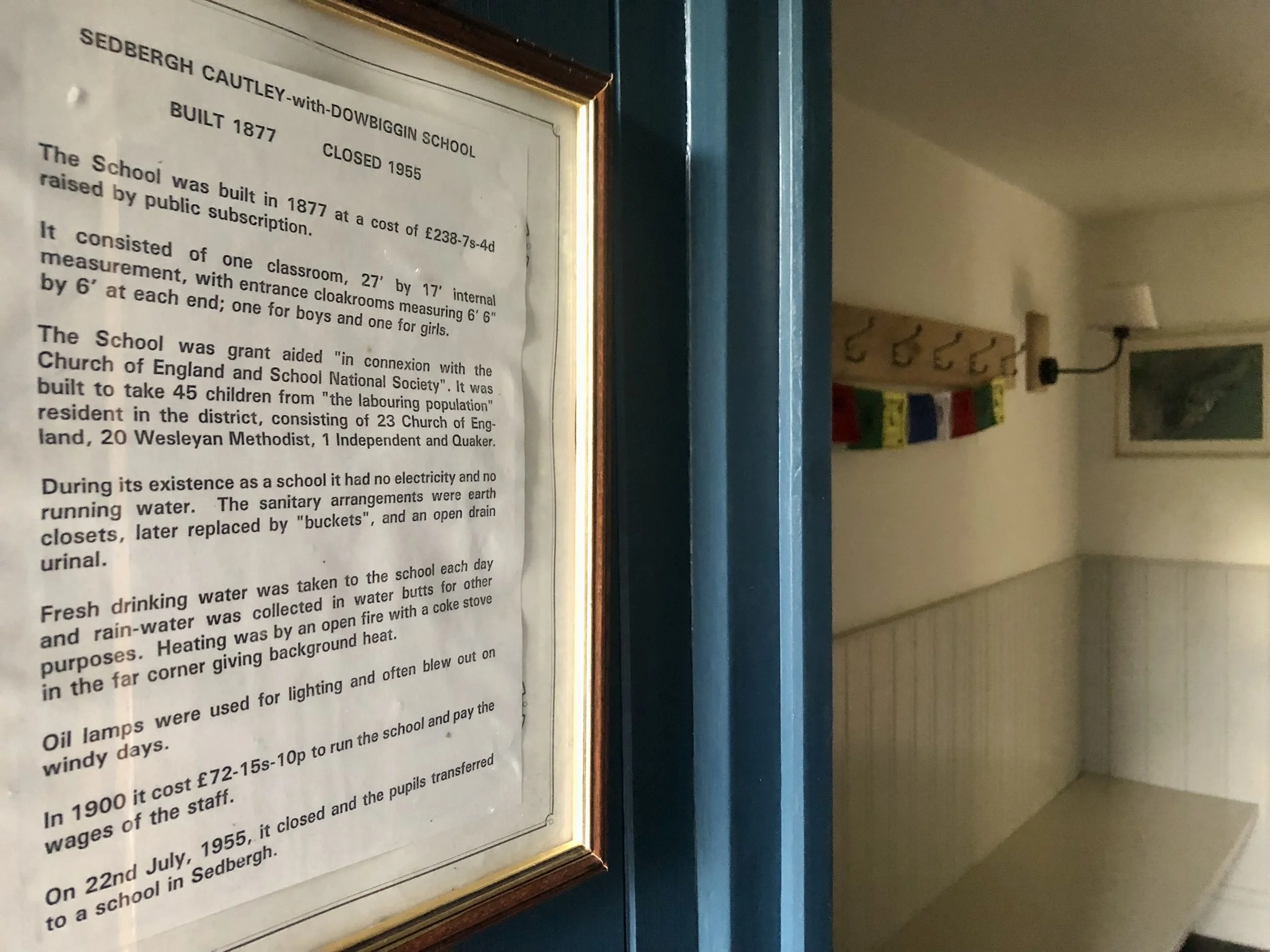
We found this document in a box full of papers when we bought Ridge House in 2017. Later on we discovered that Joe, who farms opposite us, went to school here! I’ve absolutely loved discovering the history of Ridge House, and it was really important to us to keep as much of that history alive during the process of renovating the house as possible.
Sadly most of the original Victorian timber panelling was removed when the school was first converted to a house in 1955, and what was left of it in the front porch was completely rotten from damp caused by the cement render. (We’ve now replaced this with lime.) However, there was enough left for us to have a good guess at what it would have looked like, and today most of the interior of the house is panelled in traditional tongue and groove timber panelling.
When Jonny was working out the lengths of timber to order he worked out that if you put every piece of panelling in the house end to end you’d reach the height of Ben Nevis!!
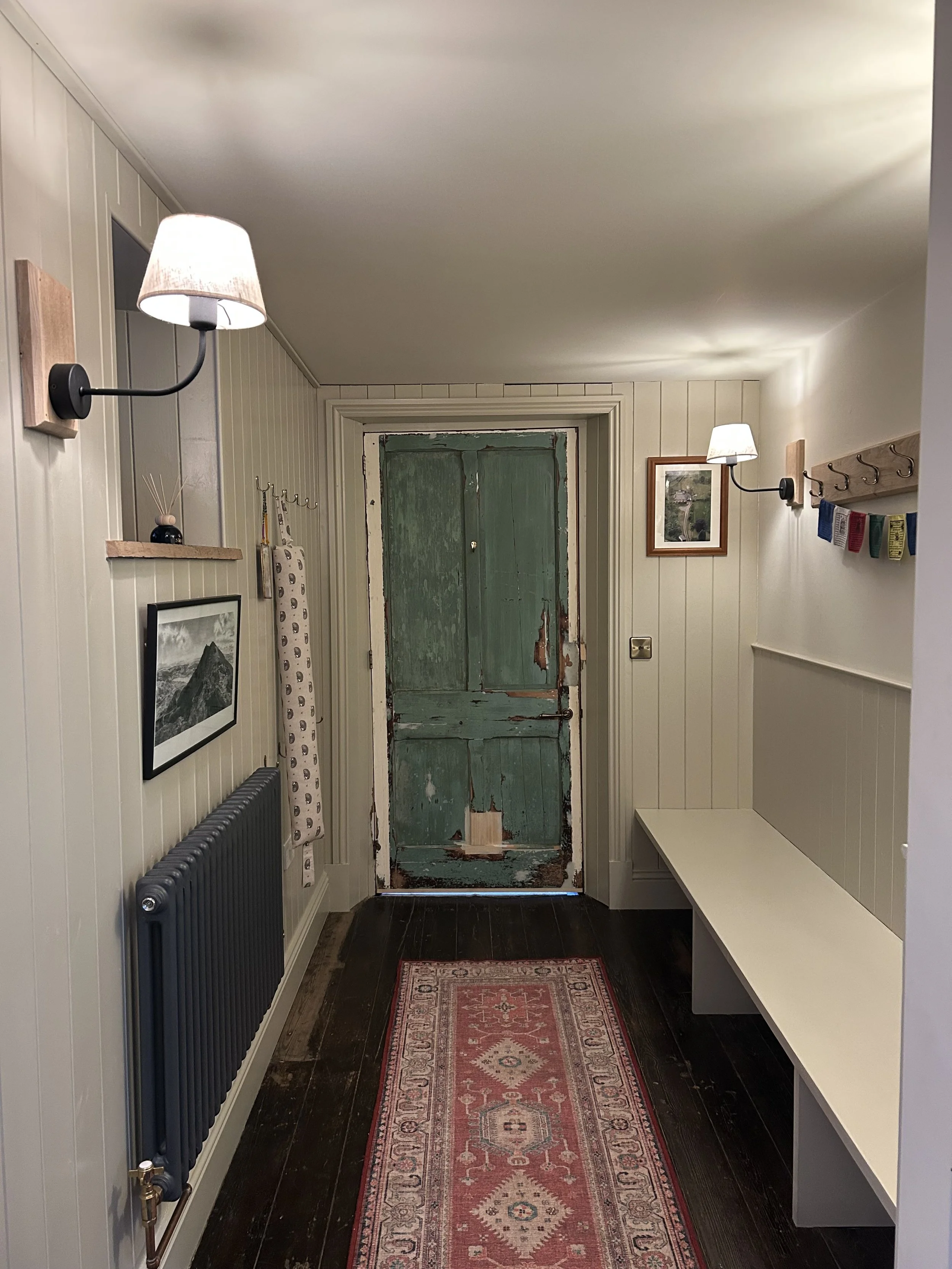
We kept the original doors and removed the modern MDF panels they’d been covered in (painted in that charming gloss white of the 70s). Underneath were remnants of the various paint colours that had been used over the years, including a bright turquoise which is pretty close to Farrow & Ball’s Arsenic. We used this as inspiration for our colour palette when decorating the house and decided to leave the old doors as they were in their mish-mash of colours. I think it does a nice job of showing how the house has changed over the last 150 years.
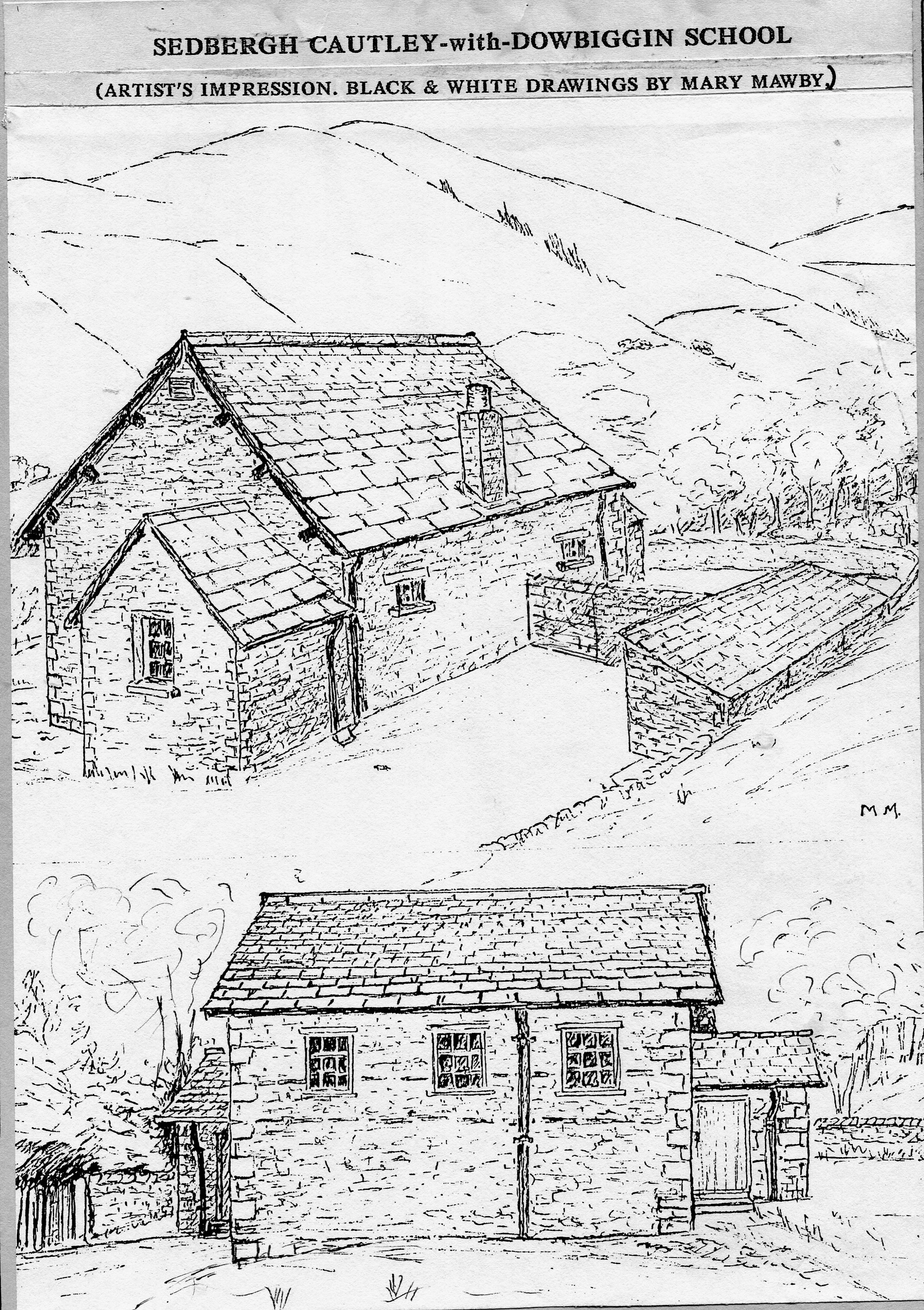
I came across this sketch of Ridge House whilst digging around in the Sedbergh archives. It shows the original configuration of the building when it was first built as a school in 1877. There were two entrance porches at either side of the main hall - one for girls and one for boys. The yard at the back was also split in two so that girls and boys played separately. My guess is that the long shed behind the school was an outdoor privy.
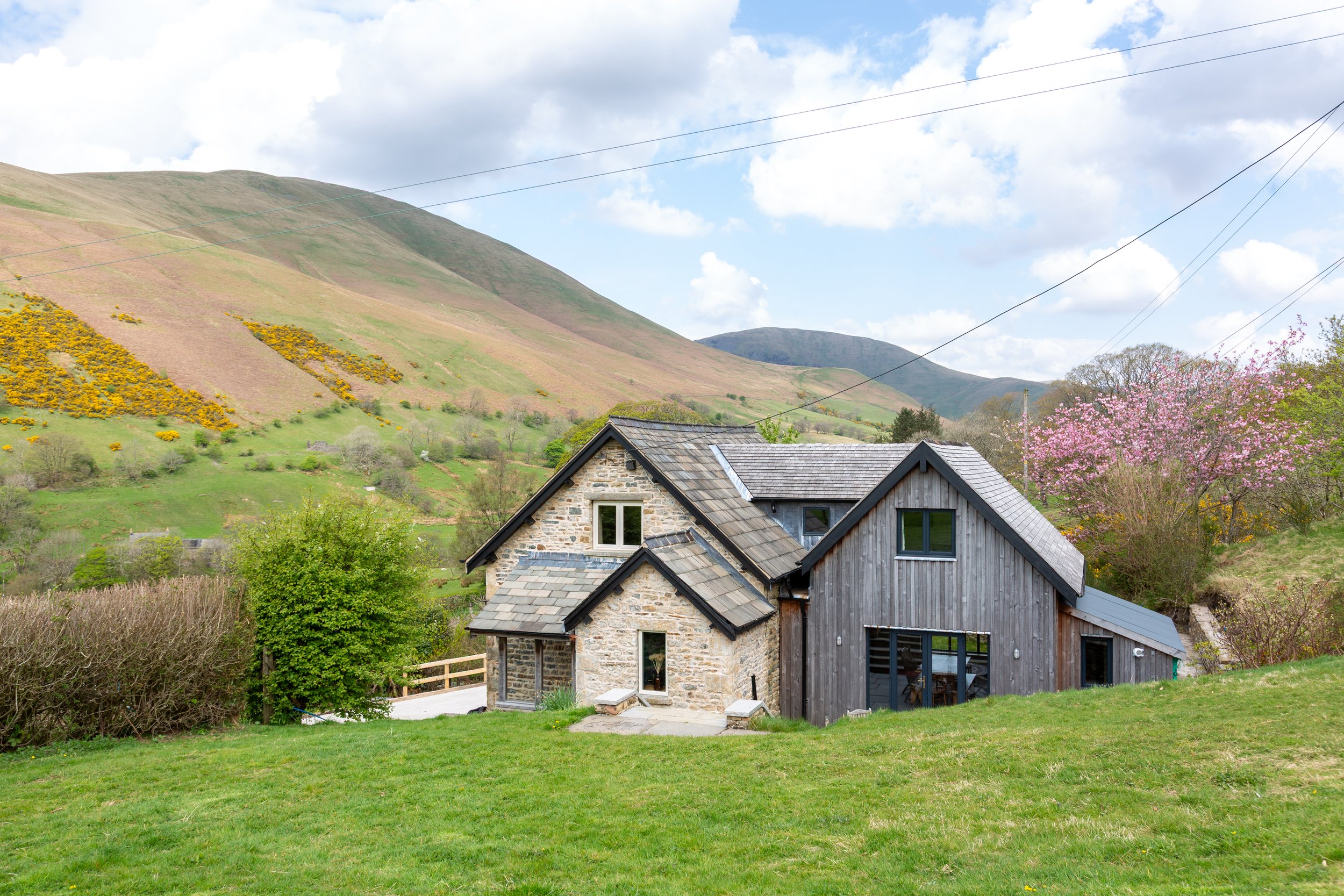
Today, our timber framed extension sits in what would’ve been the children’s play area. The chimney was long gone when we came along but the two little windows in the rear elevation are still there and we’ve kept them visible internally so you can still read the history of the building.
These two little windows were what we used as inspiration when designing our ‘link’ between the new roof and the old.
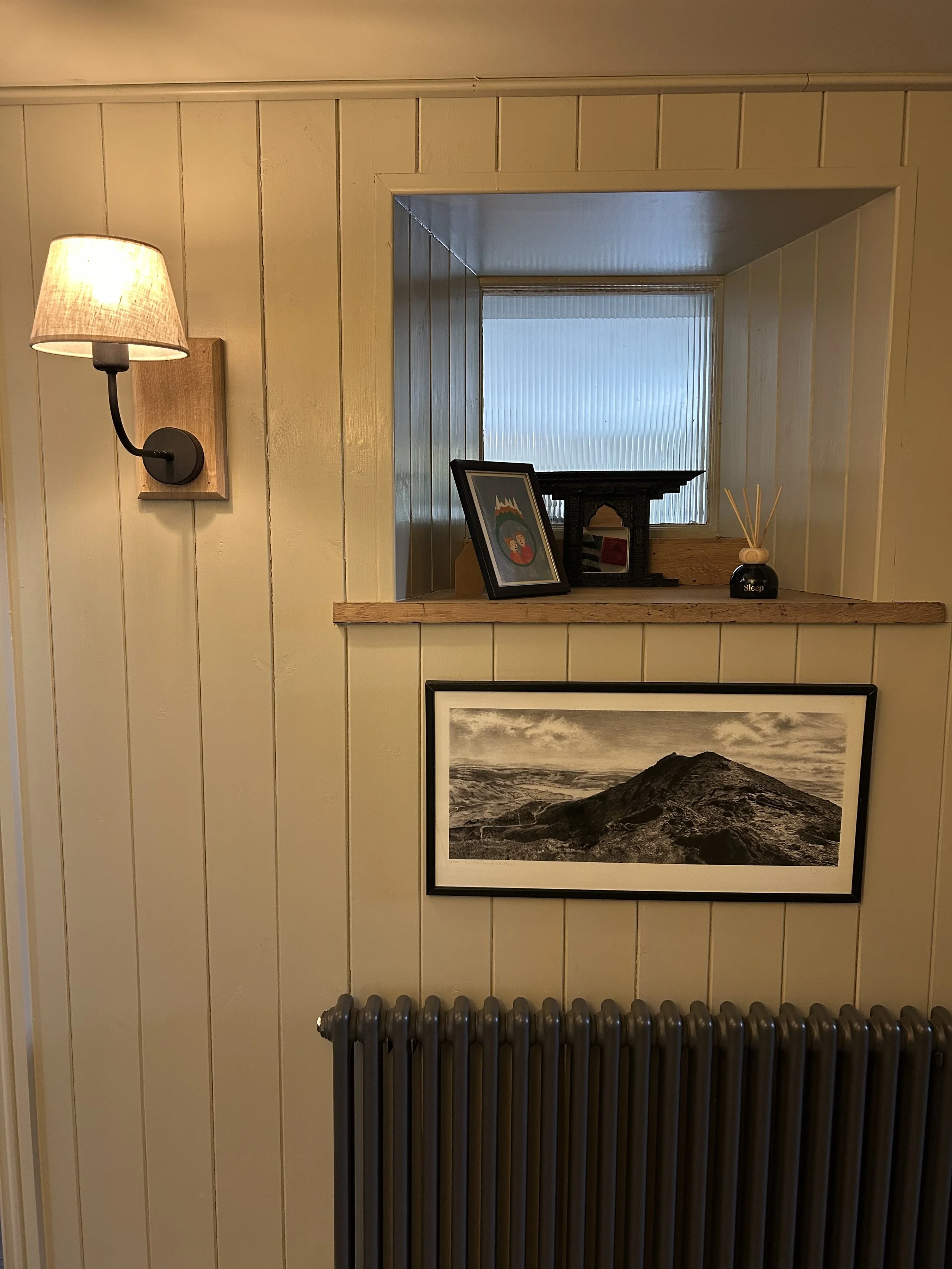
This window still had the original fluted glass of the 1880s intact so we cleaned it up and left it in. Now it looks through from the hall into the kitchen, and lets light from the spacious and airy kitchen-diner into the dark and cosy Victorian side of the house.
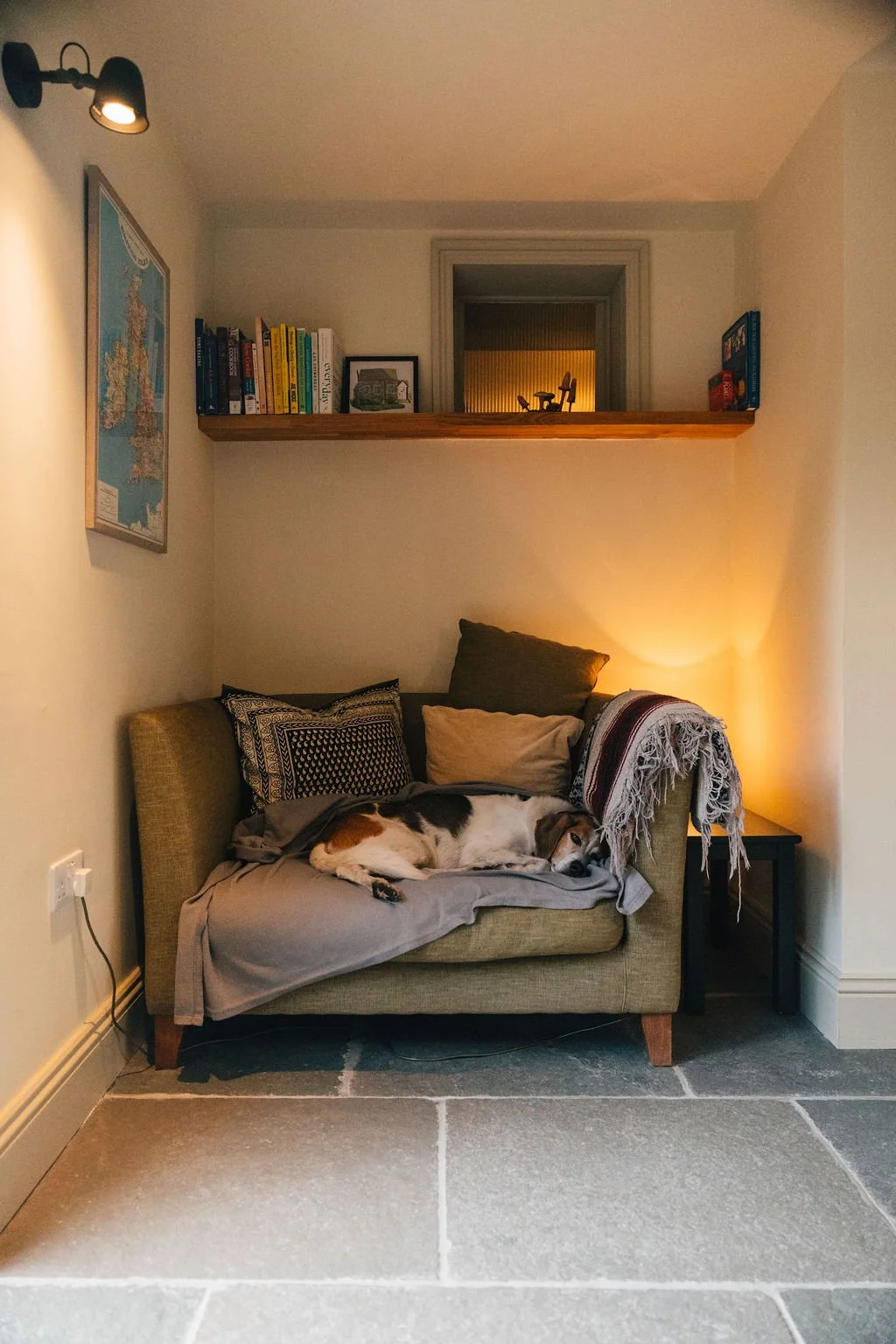
This is the same window from the other side - the cosy reading nook in the kitchen-diner. Jonny cleverly made a new oak window cill for it which spills out into the room to create a floating bookshelf - handy for all those heavy recipe books!
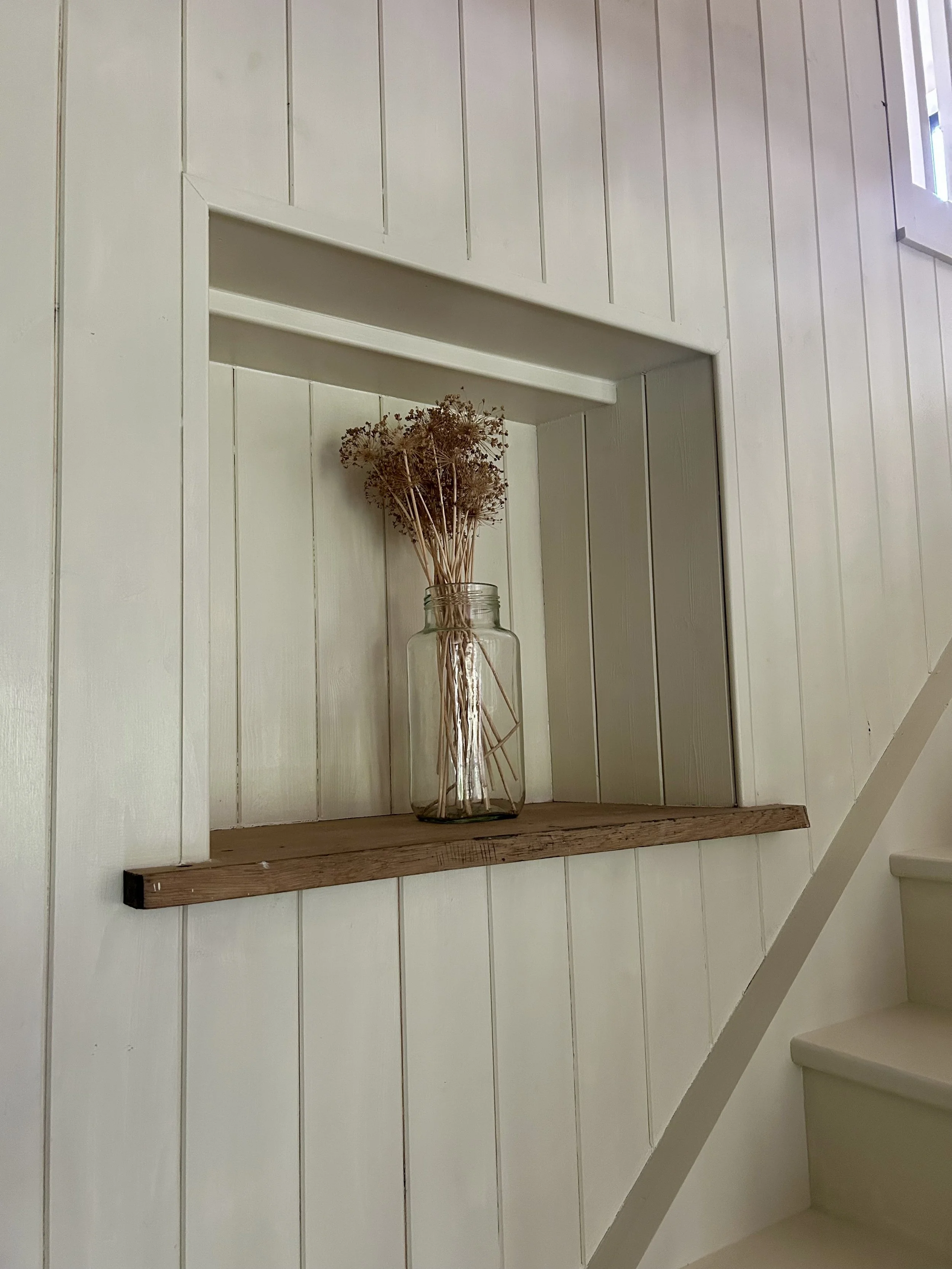
Sadly this window had already been removed - presumably in the 70s when the old flat-roofed extension was built and it became an internal window. So rather than reinstate glass we made it into a little nook or shelf. Given its location halfway up the stairs it is now a magnet for small children to play in (what is it they love about tiny spaces!?)
“If eyes are the windows to our souls, then windows are the eyes into the soul of a house”
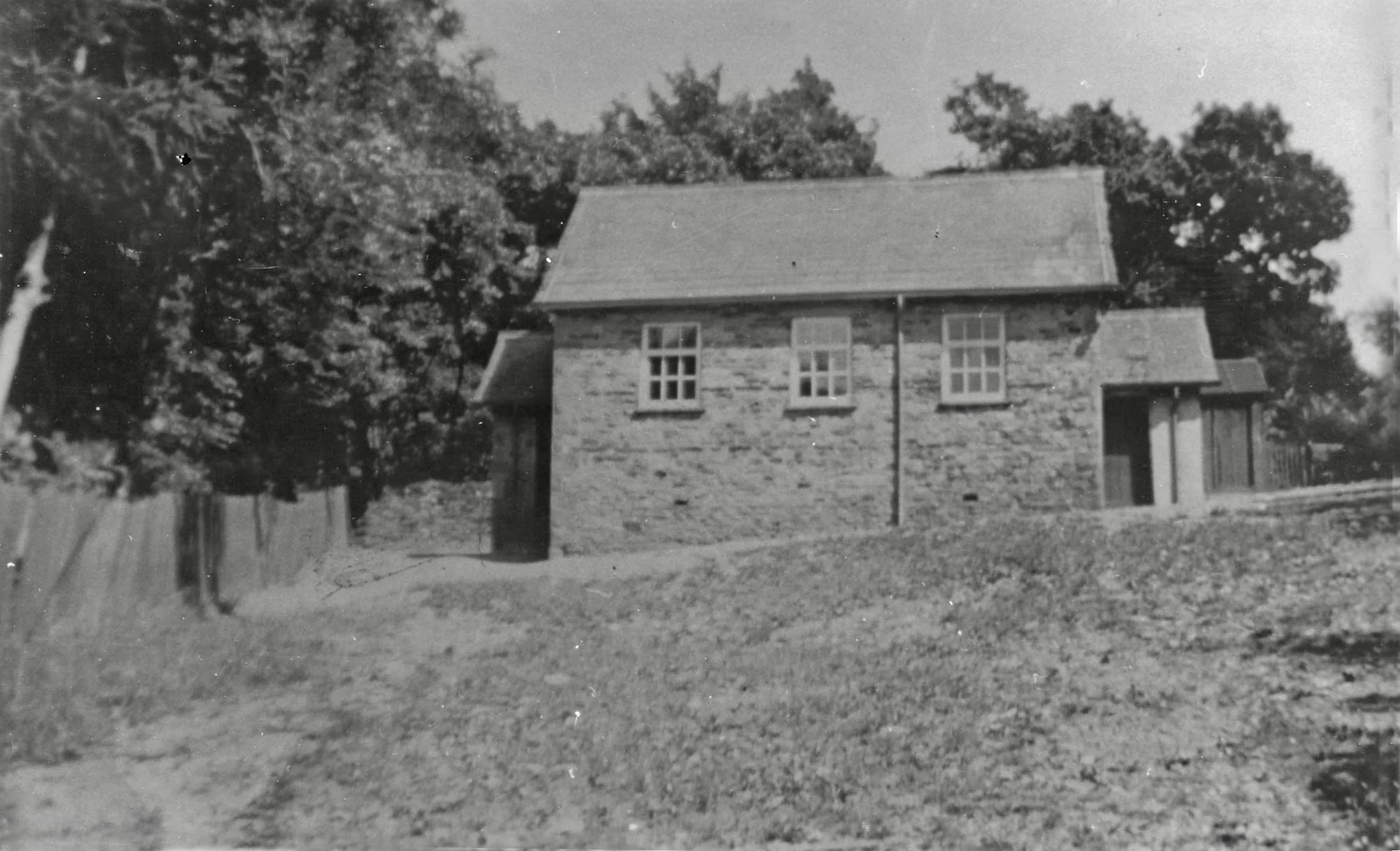
This photo was another gem from the archives, and my guess is it’s from the early 1900s. We’re pretty sure it shows how the school’s principal elevation would have originally looked when it was built in 1877.
If you have a keen architectural eye you’ll notice that the original windows on the front elevation are much smaller and higher in 1877 than they are today. This was apparently so that the school children couldn’t get distracted by the view of the fells! (I’m so glad we’ve moved on from this in our educational philosophy!)
When it was a school, the whole building was one room internally, and it was open to the eaves. When it was converted to a house in the 1950s, a first floor was inserted to provide bedrooms upstairs, so the windows had to be dropped.
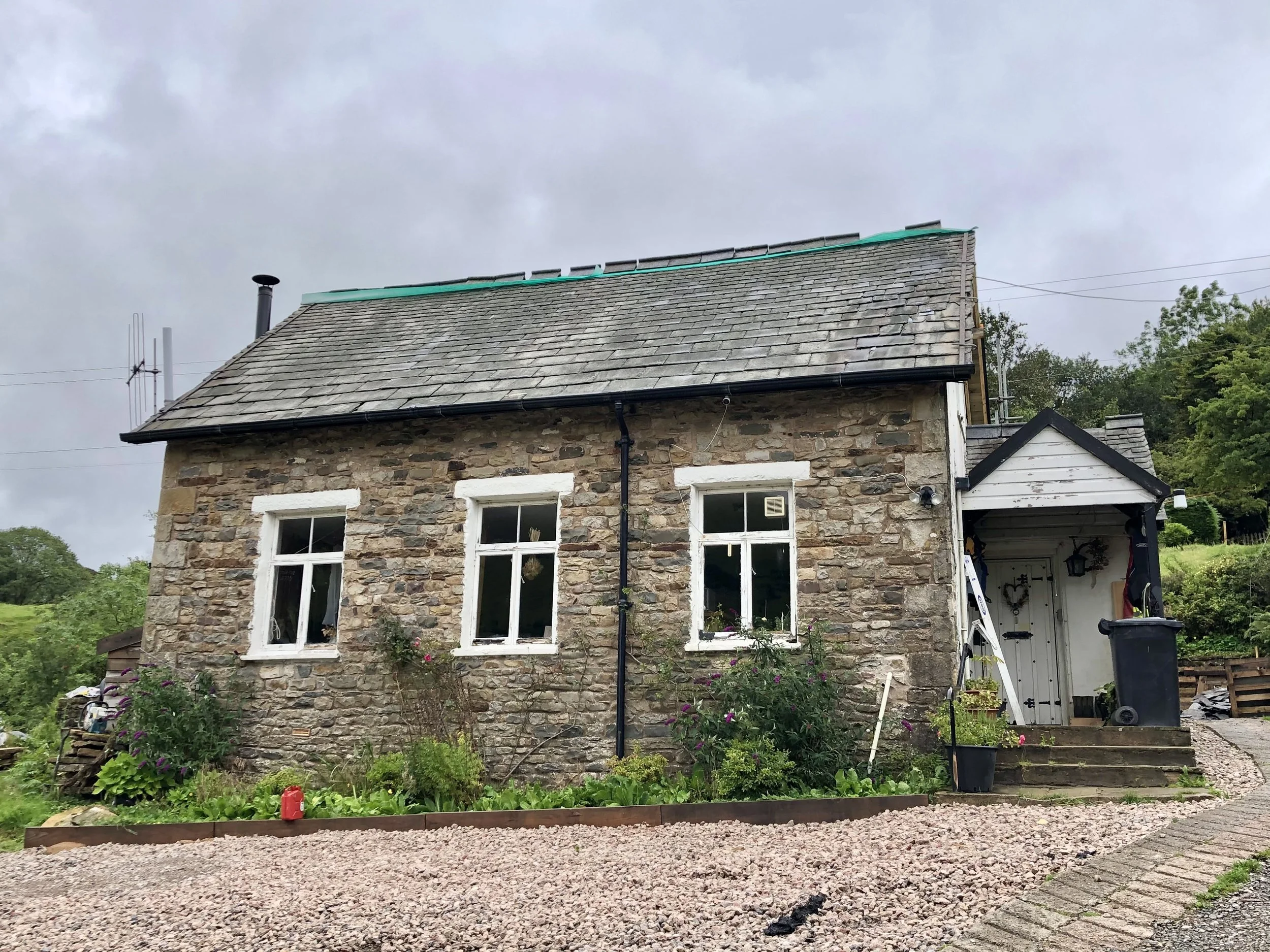
This photo is from 2020, when we’re halfway through re-roofing. These were the windows that were presumably put in when Ridge House was converted from a school into a house in the 1950s. You can see a very subtle change in the pointing and stonework showing where the windows used to sit. These windows were falling apart when we bought the house, so we replaced them with traditional sliding sash timber windows.
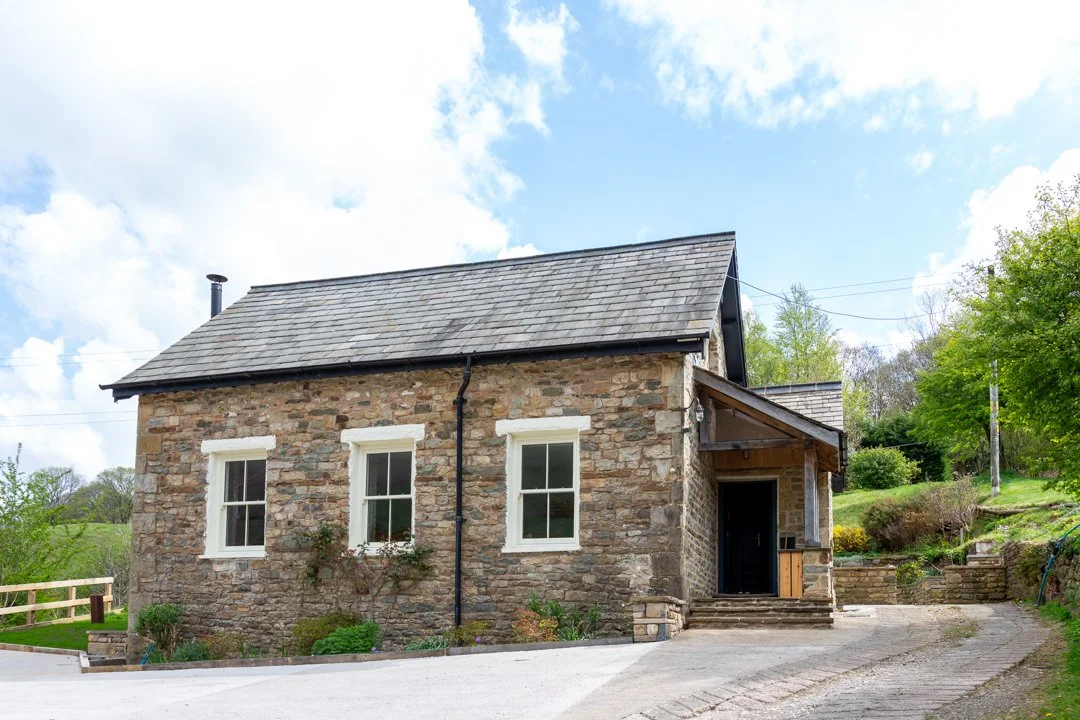
When we replaced the windows, we spent a lot of time trying to decide what configuration of window to go for. The original 1977 windows had small panes (in those days large sheets of glass were expensive) and we think from the configuration that they were possibly tilt-openers rather than traditional sash windows (presumably cheaper?) In the end we went for 2-over-2 sash windows as we felt like the proportions worked (we weren’t massive fans of the 1950s 1-over-2 arrangement!)
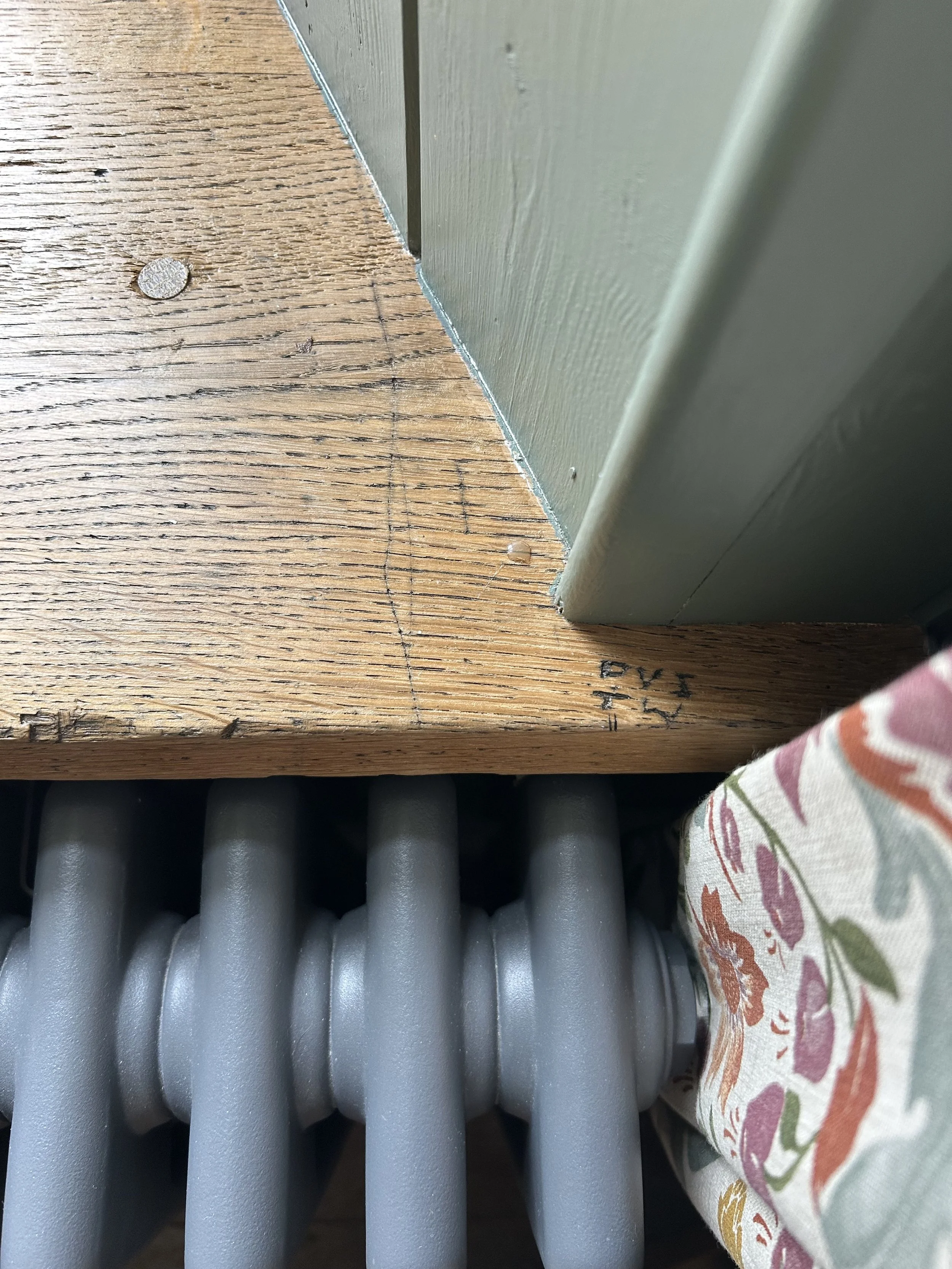
We believe that the owner of Ridge House when we bought it in 2017 was the grandson of the man who’d originally converted to a house in 1955. We inherited three garden sheds full to the brim of all sorts of bits and bobs from the last half century, including (to our delight) the original Victorian desks from the school, complete with inkwells and the carved initials of bored pupils.
When it came to renovating the original part of the house in 2023 Jonny carefully sanded and oiled these and installed them as window-seats in the sitting room and the snug. I’m yet to find out who ‘PVS’ and ‘TW’ are, but I have faith that some knowledgeable person in our lovely community in Sedbergh will eventually enlighten us!